Most luxury development projects fail to sell at their potential not because of the product, but because of when and how sales enters the picture.
I’ve seen it happen more than once. A developer spends three years on land, entitlements, architecture, and finishes. The project is genuinely exceptional. Then, six months before launch, they bring in a sales team and hand them a brochure that was designed without any input from the people who will actually be selling the units.
The result? Pricing that doesn’t match the story. A brand that doesn’t match the buyer. And a launch that underperforms a project that deserved better.
The core problem: sales and marketing get treated as the last mile, not the foundation.
At Cabana Lane, we’ve built our practice around a different belief — that the most successful luxury developments treat sales strategy as a design input, not a deliverable. The earlier we’re involved, the better the outcome for everyone: the developer, the buyer, and the project’s long-term legacy.
The Silo Problem in Luxury Development
Here’s what typically happens in a luxury development project: the architect has a vision, the builder has a process, the marketing firm has a brand direction, and the sales team has a pricing model. Each group is excellent at what they do. But they’re often working in sequence rather than in concert.
By the time the sales team sees the project, decisions have already been made that directly affect what they can promise a buyer. The unit mix is locked. The amenity program is set. The price per square foot is baked into the pro forma. The sales team’s job becomes fitting a narrative around choices they had no hand in shaping.
This is how you end up with a $4 million unit that the sales team is struggling to justify at that number, not because the product isn’t worth it, but because the story was never built to support it.
What we’ve found works: bringing the sales and marketing perspective into the room during product design, not after. That means having real conversations about buyer psychology, competitive positioning, and price sensitivity before the floor plans are finalized, not after the renderings are printed.
What an Integrated Partner Actually Does
When we come in early, the work looks very different from traditional brokerage. We’re not just listing units. We’re helping shape the conditions that make those units easier to sell at the right price.
In practice, that means contributing to several layers of the project:
- Sales pro forma and absorption modeling — We help developers build realistic revenue timelines that account for market conditions, buyer behavior, and competitive supply. A pro forma that doesn’t reflect how buyers actually make decisions in the luxury segment is a liability, not a plan.
- Buyer profile and unit mix — Who is the actual buyer for this project? What do they need in a floor plan? What amenities justify the premium? These questions should be answered before the architect finalizes the program, not after.
- Brand and story alignment — The project’s brand needs to be built around what can be sold, not just what looks good in a campaign. We work alongside marketing teams to make sure the narrative is grounded in something buyers will believe.
- Architecture and builder program — The physical expression of a project has to match what’s being promised. Materials, spatial sequence, finish quality — these aren’t just aesthetic decisions. They’re sales tools.
None of this replaces the architect, the builder, or the marketing firm. It adds a layer of commercial intelligence that makes all of them more effective.
Why Coastal and Destination Markets Are Different
Our work is concentrated in coastal and destination markets, and those markets have their own dynamics that generic luxury brokerage often misses.
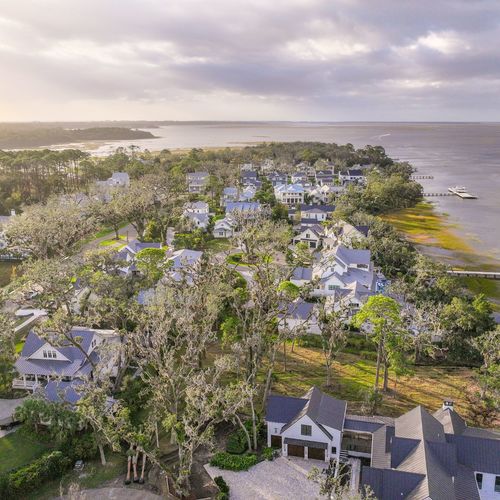
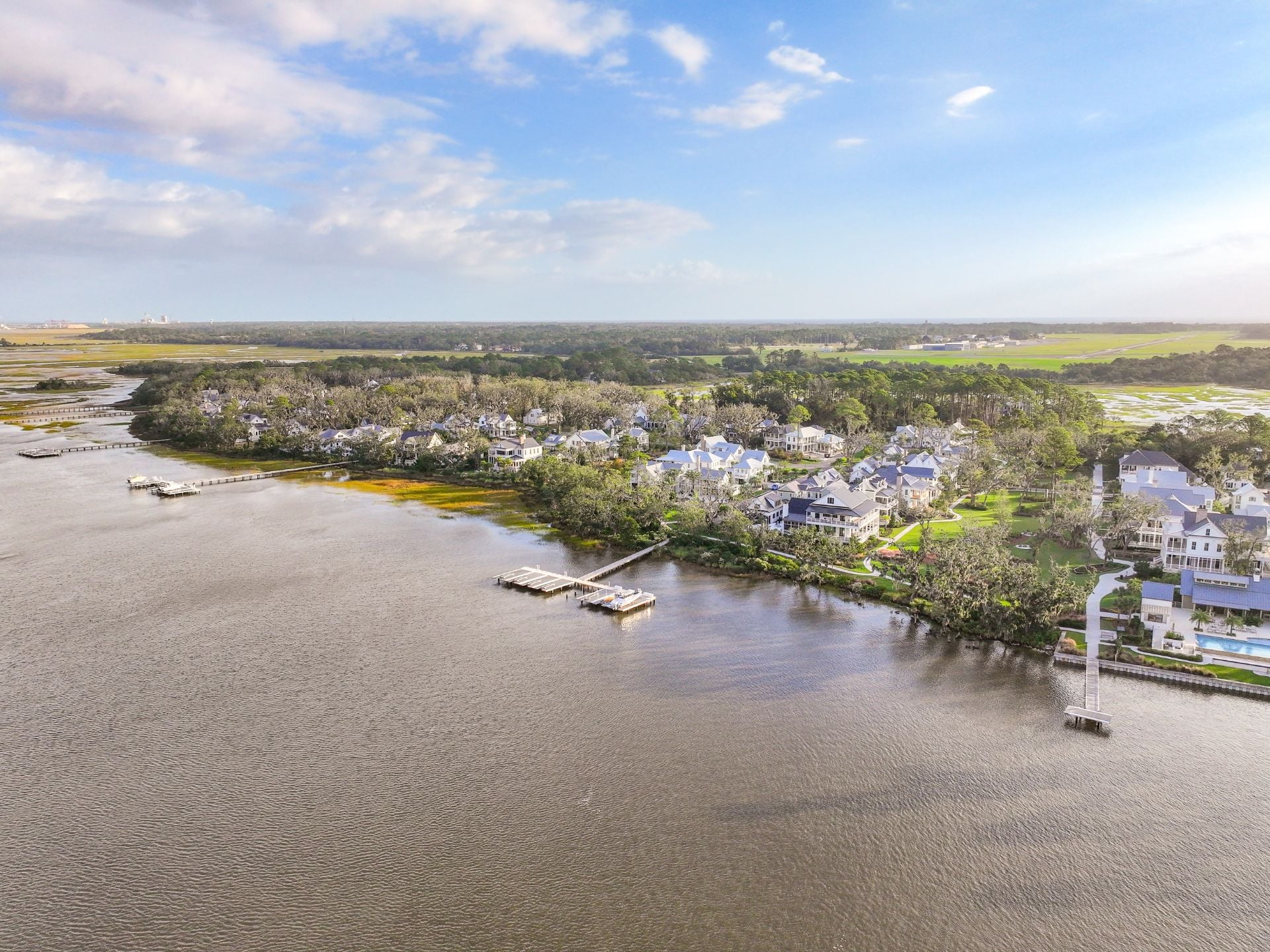
Buyers in places like Amelia Island aren’t just buying real estate. They’re buying a version of their life. The decision is emotional before it’s financial, and the best projects understand that. The story of the place, the lifestyle it enables, the community it creates — these aren’t soft considerations. They’re the primary drivers of purchase decisions at the high end.
That also means the founder’s story matters. In destination luxury, buyers want to know who built this and why. A developer with a genuine connection to the place and a clear vision for what they’re creating has a significant advantage over one who is simply executing a product. We help developers find and tell that story in a way that feels authentic rather than manufactured.
The projects that sell well in these markets share one thing: they were designed with the buyer’s emotional journey in mind from the beginning, not bolted on at the end.
When to Make the Call
The question we get most often from developers is some version of: “When should we bring you in?”
The honest answer is: earlier than you think.
If you’re still in the design development phase, that’s the right time. If you’re finalizing the unit mix, that’s the right time. If you’re about to commission your brand identity, that’s the right time. The further along the project gets without sales and marketing input, the more expensive the corrections become, and the more likely you are to launch something that works architecturally but struggles commercially.
If you’re already past those stages, it’s not too late. But the conversation will be different, and some of the most impactful work won’t be available to you.
We work with developers across the luxury residential and resort segments, and we’re happy to have an early conversation about where your project is and what kind of partnership makes sense. The goal isn’t to add another vendor to your process. It’s to make the whole process work better.
If you’re building something that deserves to sell at its full potential, reach out to us at Cabana Lane. That’s exactly the kind of project we want to be part of.