
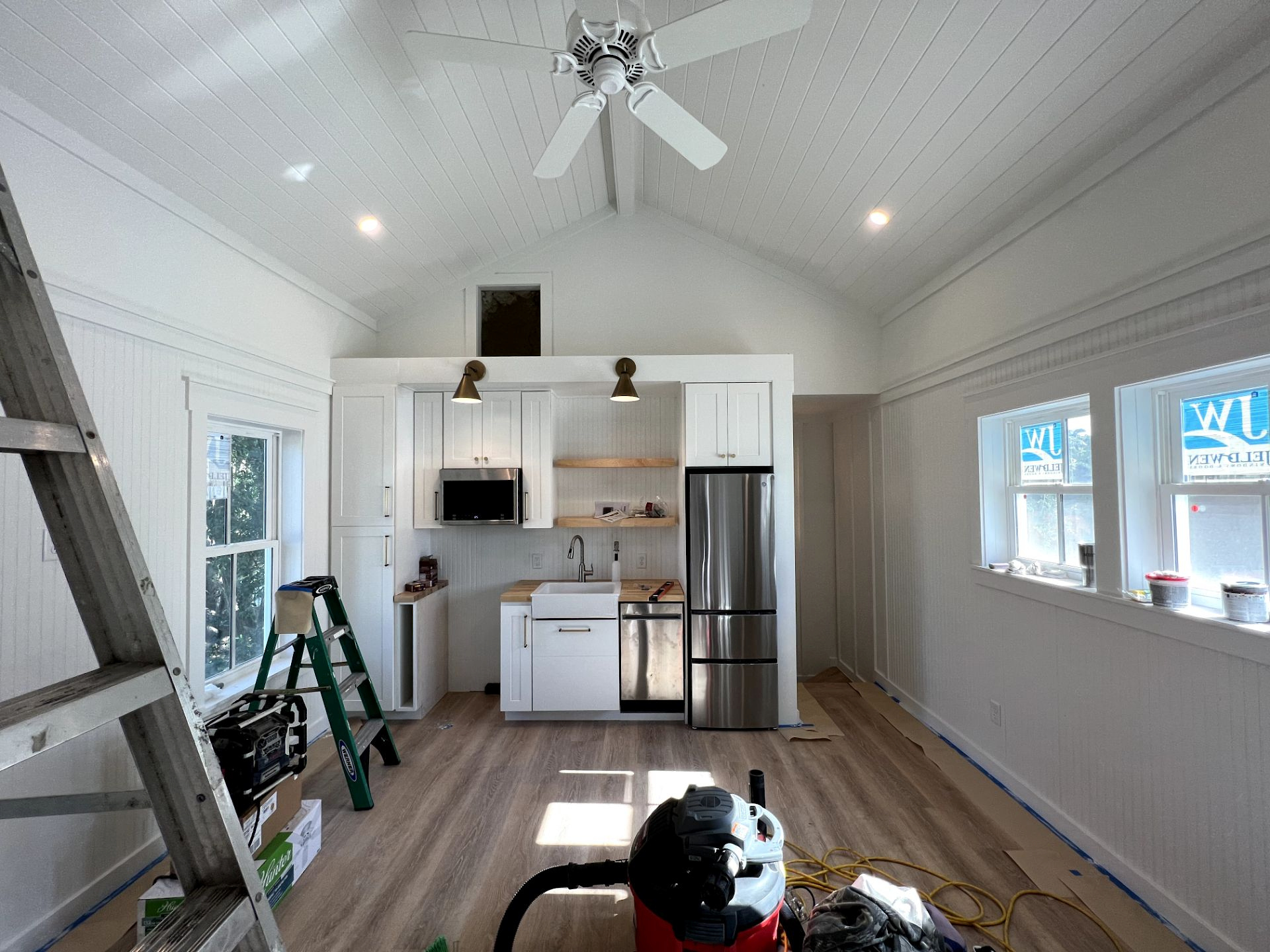
If you're selling a home in Florida, there’s a good chance the buyer will request repairs after the inspection.
Last week I had a seller client reach out to me with a simple question. He wanted to know if he was required by law to hire a general contractor to address a few buyer repair requests; things like replacing weather stripping on a door, swapping out a couple of smoke alarms, and adding fiberglass insulation to a compressed area in the attic.
These were all very simple and reasonable repair requests, but it got me thinking:
What repairs can DIY-inclined sellers legally handle themselves in Florida, and what work requires a licensed contractor regardless of how simple it seems?
The answer may surprise you.
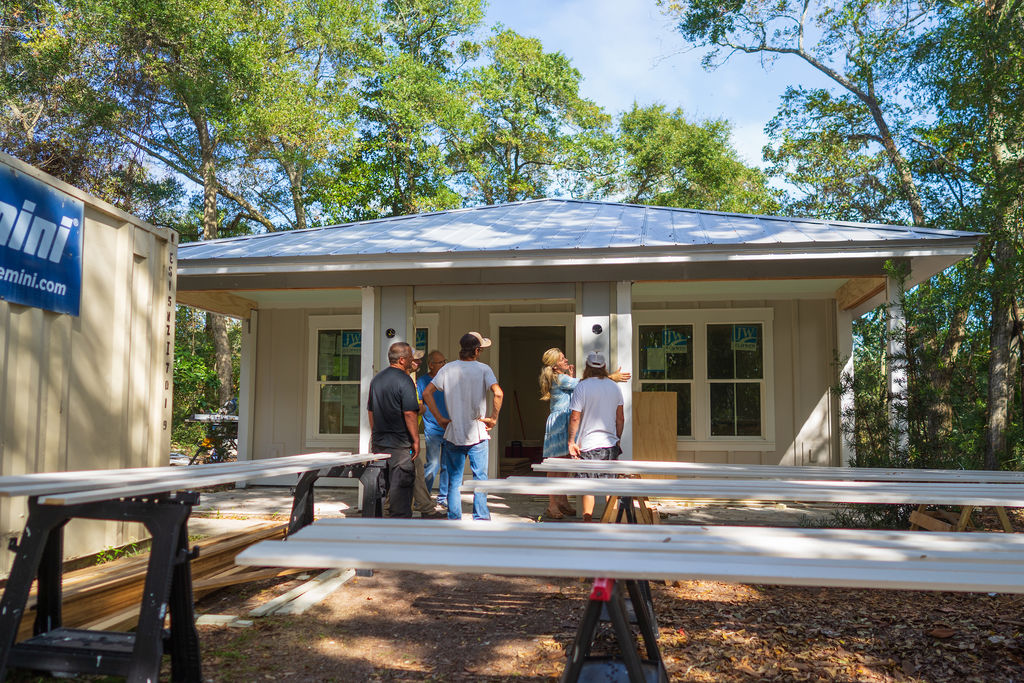
The answer isn't about cost. It's about the type of work being done.
What Florida Law Actually Requires
In Florida, contractor licensing is regulated by the Florida Department of Business and Professional Regulation (DBPR) under Florida Statute Chapter 489.
The key point most people misunderstand is this:
Florida law regulates certain types of work—not the price of the repair.
You may have heard people talk about a “$1,000 handyman rule.” That idea circulates widely in real estate and construction circles, but it’s largely an oversimplification.
There is no universal statewide rule allowing unlicensed work under a specific dollar amount. Instead, the determining factor is whether the work falls into a licensed trade.
Repairs That Usually Require Licensed Contractors
Certain types of work generally require a licensed professional regardless of how small the job is.
These typically include:
- Electrical work
- Plumbing modifications
- HVAC installation or repair
- Roofing work
- Structural construction or alterations
For example, installing a new electrical circuit or modifying plumbing lines typically requires a licensed contractor, even if the repair itself costs only a few hundred dollars.
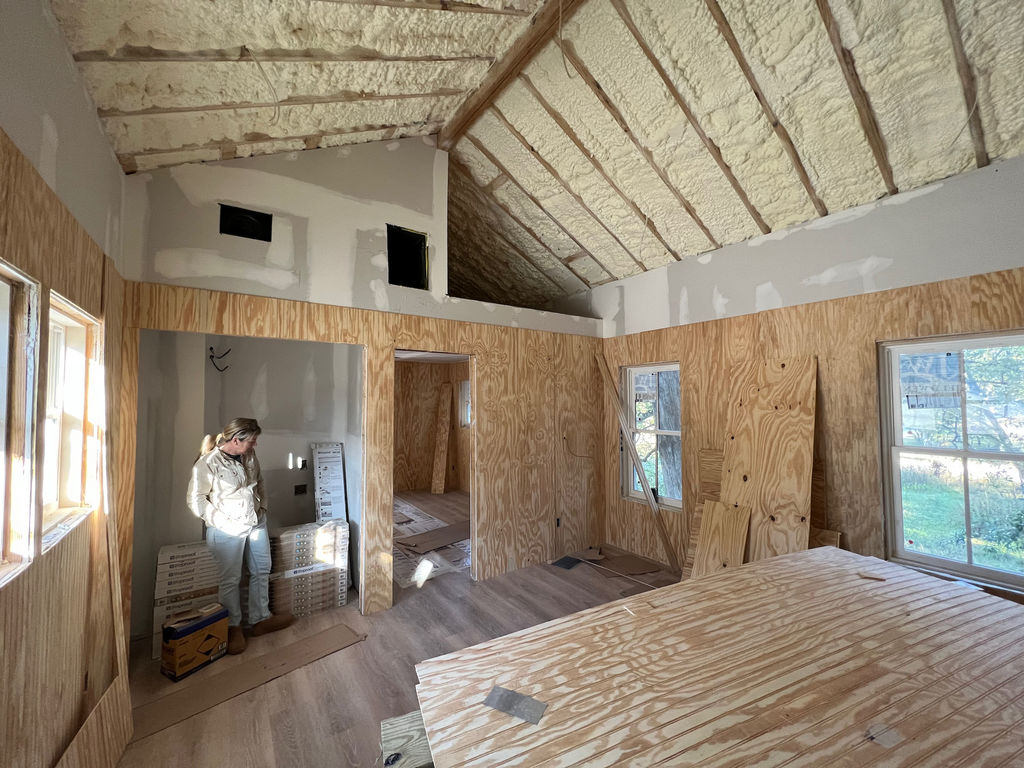
Some repairs are simple. Others are best handled by licensed professionals.
Repairs Sellers Often Handle Themselves
Many inspection items fall into the category of basic home maintenance, which homeowners commonly handle without hiring a contractor.
Examples include:
- Replacing weather stripping
- Changing smoke detector batteries or units
- Minor drywall patching
- Painting touch-ups
- Fixing loose door hardware
- Caulking windows or sinks
- Adjusting cabinet doors
- Adding insulation to small areas of an attic
These types of items are generally considered routine maintenance rather than regulated construction work.
Why Buyers’ Agents Sometimes Ask for Licensed Contractors
Even when the law doesn’t require it, buyers’ agents sometimes ask that repairs be completed by licensed contractors and documented with invoices.
There are a few reasons for this:
- Liability protection
- Buyer peace of mind
- Lender requirements in some situations
- Documentation for insurance purposes
Because of this, repair negotiations sometimes include language specifying whether licensed contractors must perform the work.
A Common Alternative: Seller Credits
In many situations, the simplest solution is for the seller to offer a closing credit instead of performing the repairs.
This allows the buyer to handle the work after closing and often avoids delays or disagreements about how repairs were completed.
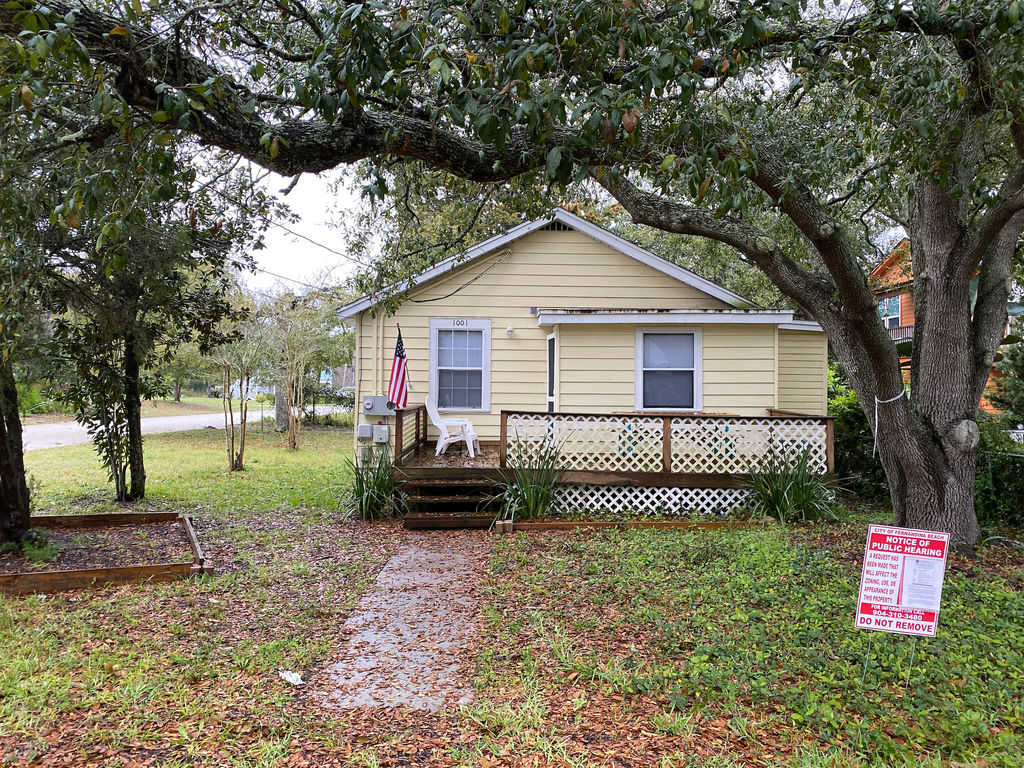
'As-is’ doesn’t mean no negotiations—it means the seller isn’t obligated to make repairs.
But What If the Contract Is “AS-IS”?
Most homes in Florida are sold using the Florida Realtors / Florida Bar AS-IS Residential Contract for Sale and Purchase.
Under this contract:
- The seller is not obligated to make repairs.
- The buyer has an inspection period to evaluate the property.
- During that period, the buyer can accept the property, request concessions, or cancel the contract.
In other words, repair requests are typically a negotiation, not a legal requirement.
The Bottom Line
Florida doesn’t have a simple dollar rule determining whether someone can perform home repairs. The real question is whether the work involves a regulated trade such as electrical, plumbing, HVAC, roofing, or structural construction.
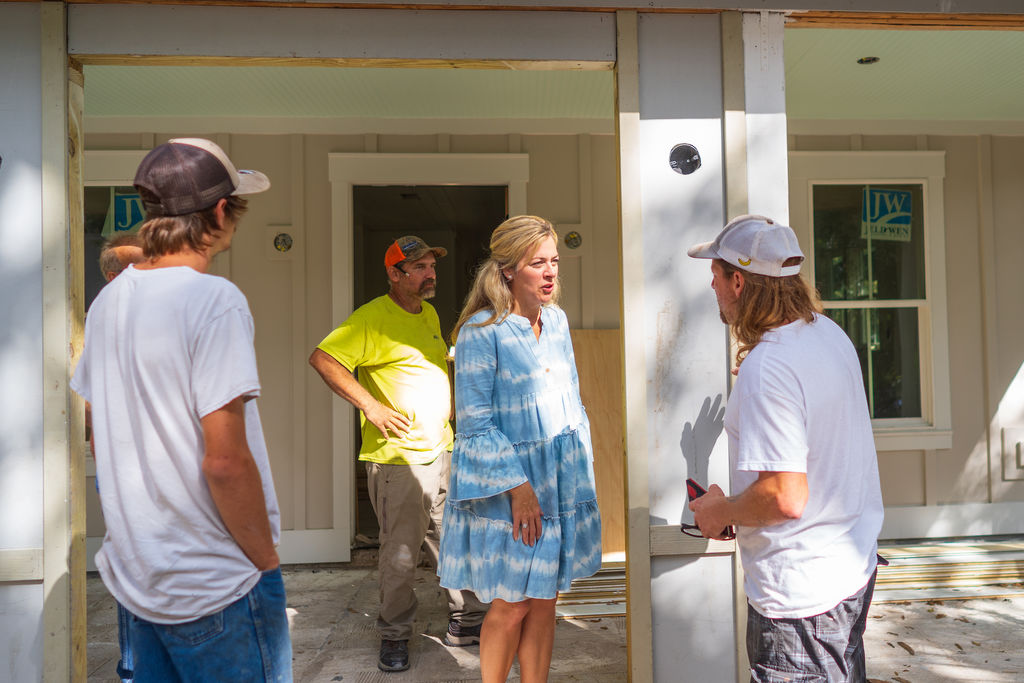
Knowing which repairs you can handle—and which require licensed professionals—can make all the difference.
For many inspection items—especially small maintenance tasks—Florida home sellers can legally complete the repairs themselves. However, documenting repairs or offering a credit is often the easiest way to keep a real estate transaction moving forward.
If a repair does require a licensed contractor, it’s important to work with someone reputable who understands both Florida building requirements and lender expectations. At Cabana Lane, we maintain a trusted network of licensed contractors, handymen, and specialty trades that we regularly work with to help sellers address inspection items quickly and professionally.
If you’re selling a home in Nassau County or on Amelia Island, inspection negotiations are a normal part of the process. Having an experienced listing agent—and a brokerage with the right vendor connections—can make a big difference in keeping your deal together and moving toward closing.
Thinking about selling?
Feel free to reach out anytime for a quick consultation about preparing your home for the market.
Check out this article next