There are places people move to for convenience, and then there are places people move to because they want life to feel different once they get there.
Amelia Island tends to be the second kind.
People arrive for all the usual reasons first: the beach, the weather, the beauty, the promise of a slower pace. But what often surprises them is that Amelia Island is not one singular version of coastal living.
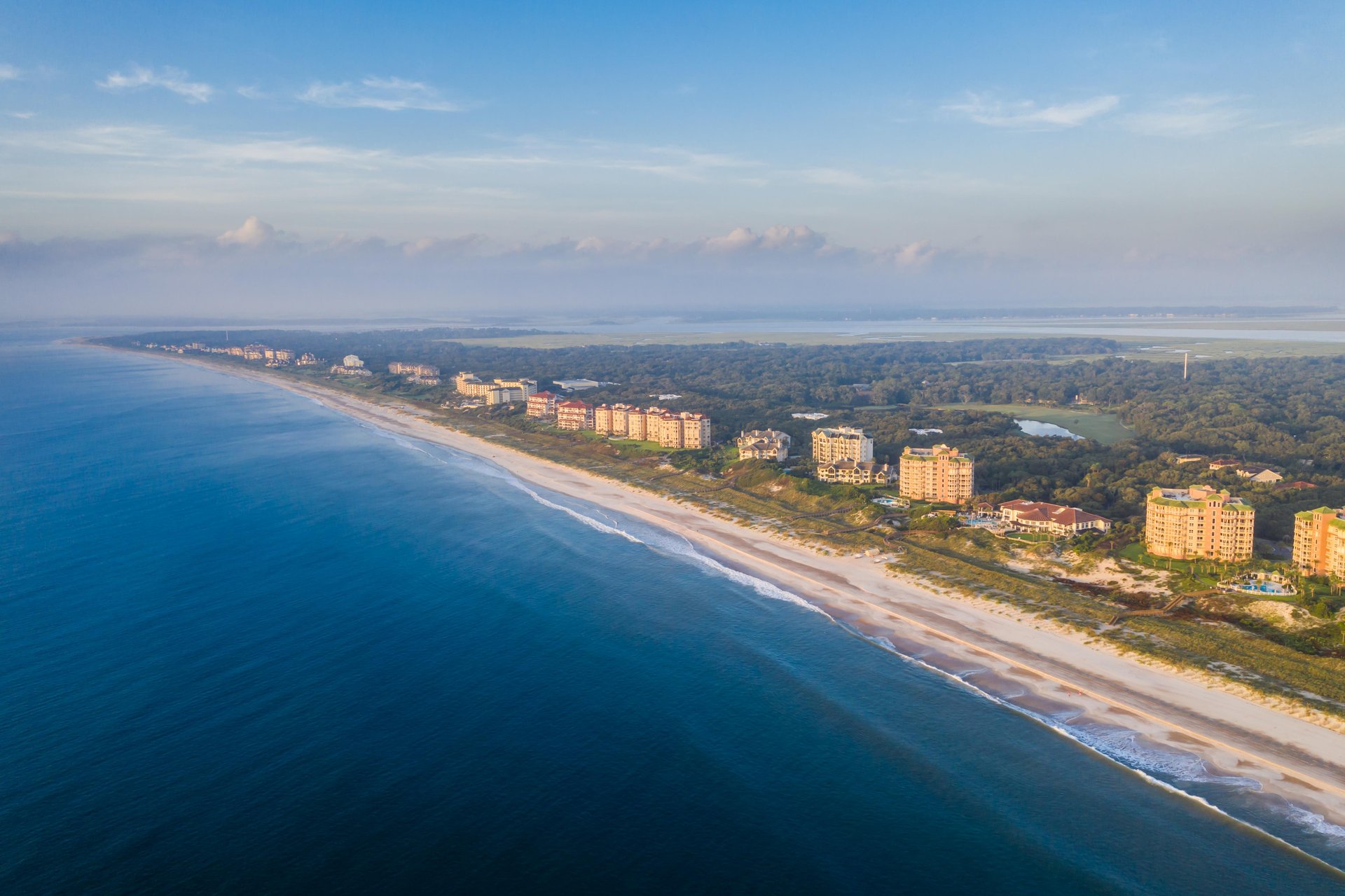
It is a layered place, with distinct pockets of history, geography, architecture, and lifestyle that shape daily life in very different ways. The island itself stretches 13 miles along Florida’s northern Atlantic coast, with Fernandina Beach as its historic heart, and Jacksonville International Airport less than 30 minutes away. For someone relocating here, that distinction matters.
Because choosing where to live on or near Amelia Island is not just about finding a beautiful house near the water. It is about deciding what kind of life you want that house to hold. It's about finding your postcard living.
Do you want to walk to dinner beneath old oaks and live inside the texture of a historic town? Do you want a more residential, everyday rhythm with schools, parks, and bike paths close at hand? Do you want privacy, golf, and a more resort-like sense of retreat? Or do you want to stay near the island while choosing newer construction, easier access to I-95, and a more growth-oriented setting just over the bridge?
All of those are viable answers here. That is part of what makes this market so compelling, and, occasionally, so misunderstood.
First, understand the map
One of the most useful things to understand early is that Amelia Island and Fernandina Beach are not interchangeable terms.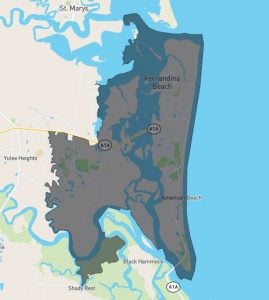
Amelia Island is the barrier island itself. Fernandina Beach is the city on the island that many people picture when they think of Amelia: historic downtown, Centre Street, Victorian architecture, marina views, and small-town coastal atmosphere.
The island also includes areas such as American Beach, Amelia City, and Franklintown, each with its own story and sense of place.
From a relocation standpoint, the area is easiest to understand in four parts: North Amelia, Central Amelia, South Amelia, and the mainland communities just off-island, primarily Yulee and Wildlight. Each offers a different version of coastal life, and each attracts a different kind of buyer.
Why people relocate here
Some markets sell themselves on novelty. Amelia Island does not really need to. Its appeal is quieter than that.
There is the obvious beauty, of course: Atlantic shoreline on one side, marsh and Intracoastal views on the other, a long canopy of oaks and palms, and a landscape that often feels more Southern than tropical.
There is also a particular rhythm to life here that people tend to notice quickly: less urgency, more ritual. Morning walks, bike rides, beach access, dinners downtown, sunset over the marsh, familiar faces in familiar places. Not performatively quaint.
That is part of the reason relocating here often feels less like chasing a change of scenery and more like recalibrating how you want your days to feel.
The first real decision: on-island or off-island
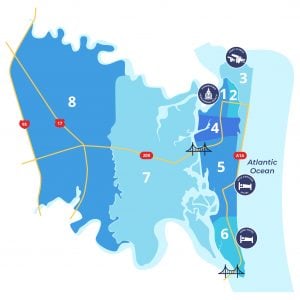 Before getting into neighborhoods, most buyers relocating here have to answer a broader question: do you want to live on the island or off the island?
Living on Amelia Island usually means paying a premium for one of four things: proximity to the beach, historic character, water views, or the social and visual value of island life itself.
The island’s geography places a natural limit on inventory, which is part of why values here have historically held a different kind of weight than in more expandable mainland markets. Your provided materials rightly frame this as a story of scarcity as much as lifestyle.
Living off-island, most often in Yulee and Wildlight, tends to mean more land, newer construction, more scale, easier regional access, and often a more practical everyday setup for commuters or families who want to stay near Amelia without paying full island premiums.
Wildlight, for example, continues to position itself as a large master-planned community with 2,900 acres, more than 1,200 acres of preserved open space, and more than 12 miles of trails, all with quick access to I-95 and Jacksonville International Airport.
Neither option is inherently better. They are simply different answers to the same question: what do you want your life to optimize for?
North Amelia Island: history, walkability, and character
For many people, North Amelia is where the emotional pull begins.
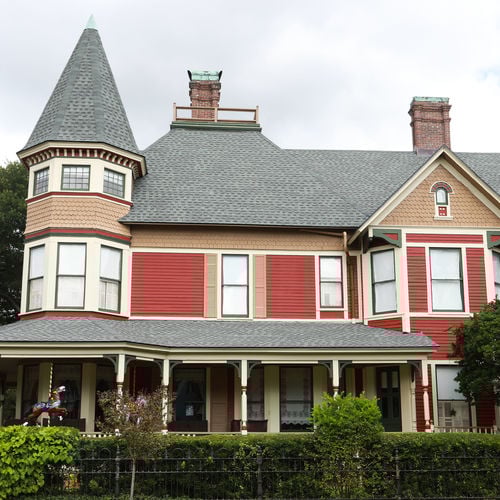
This is the part of the island that tends to linger in memory. It is where you find the historic core of Fernandina Beach, the walkable downtown grid, marina views, older homes with real architectural presence, and neighborhoods that feel like they were shaped over time rather than delivered all at once.
If your version of Postcard Living includes front porches, Saturday market mornings, dinners on Centre Street, and a sense that your surroundings have a past, this is usually where the conversation starts.
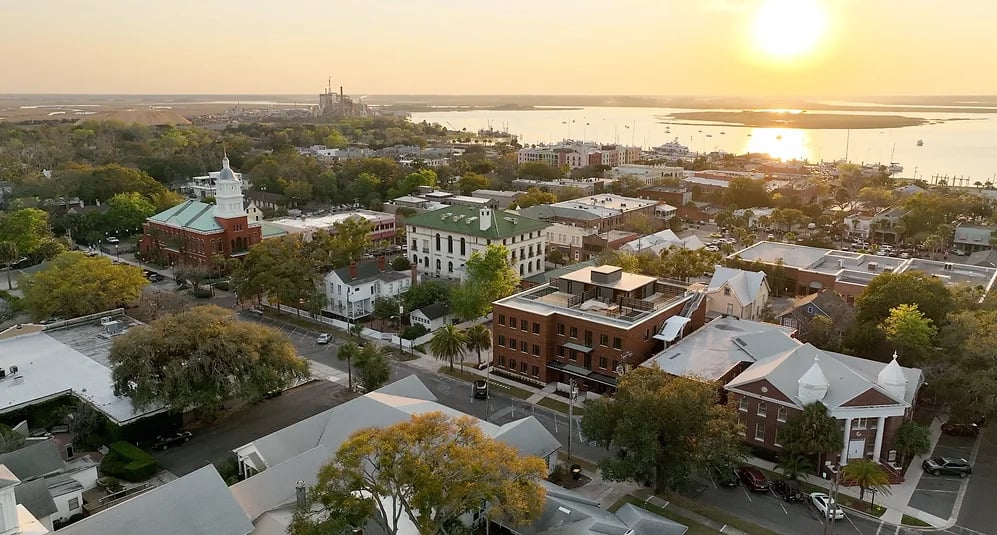
Downtown Fernandina Beach
Downtown Fernandina Beach has the density of character that many coastal towns spend years trying to manufacture and still never quite manage to pull off. The historic district is recognized by the city and the National Register, and it remains one of the defining features of the area.
It is beautiful, yes, but more importantly, it is usable. You can walk it. You can live within it. It is not just a district to admire. It is part of the daily fabric for the people who choose to be near it.
This area tends to appeal to buyers who value architecture, walkability, and a stronger connection to the cultural center of Fernandina Beach. It can be especially appealing for those who are moving from larger cities and do not want to trade all vibrancy for quiet.
Old Town
Old Town is something else entirely. More maritime, more restrained, and in many ways more historically unusual. Old Town Fernandina was originally platted in 1811 and is recognized by the city as the last Spanish city platted in the Western Hemisphere.
Its layout, central plaza, and relationship to the Amelia River give it a distinct identity even within the island’s broader historic fabric.
Old Town is for the person who does not just want “historic charm” as a real estate adjective. It is for someone who wants a neighborhood with a more specific and less polished sense of place. It feels quieter than downtown, more rooted in maritime history, and a little less interested in performing for anyone. Which, naturally, is part of its appeal.
Central Amelia Island: the everyday version of island life
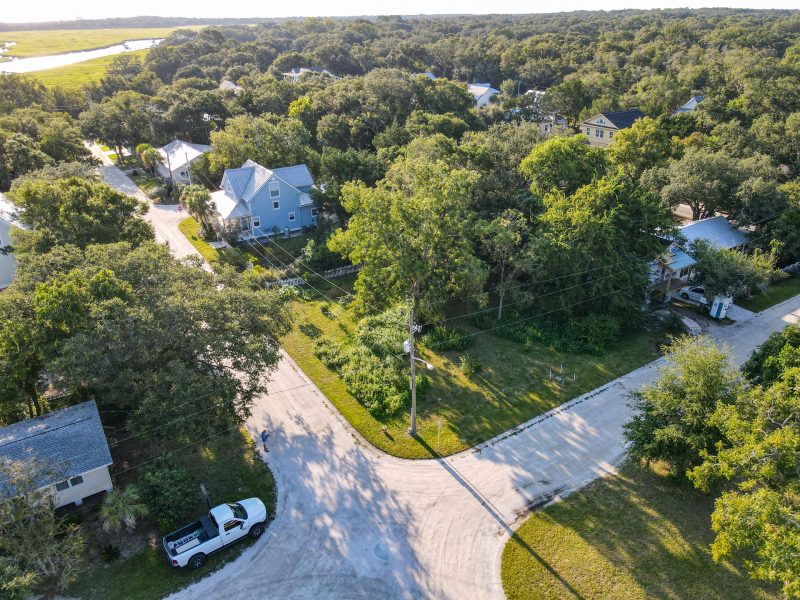
If North Amelia is where many people fall in love, Central Amelia is often where full-time life makes the most sense.
This section of the island tends to be more residential in feel. It is where the day-to-day structure of life is easier to see: neighborhood streets, schools, parks, bike paths, errands, routines. It may not have quite the same theatrical historic presence as the north end or the same gated-exclusivity as the south end, but it is often where island living feels most sustainable for year-round residents.
Neighborhoods like Amelia Park, Egan’s Bluff, and other mid-island enclaves tend to attract buyers who want to be on Amelia Island without feeling either immersed in tourist traffic or tucked into a resort environment. These areas typically offer a more grounded version of coastal living, one that is less about spectacle and more about quality of life.
For families, this part of the island also benefits from proximity to both public and private school options. Nassau County School District currently states that every Nassau County public school earned an A rating from the Florida Department of Education, which is a meaningful draw for many relocating buyers considering the area long-term.
Central Amelia tends to be right for people who want island life to feel beautiful, but also functional.
South Amelia Island: privacy, amenities, and resort-oriented living
By the time you reach South Amelia, the atmosphere changes.
This is the part of the island most associated with gated communities, golf, private beach access, and a more luxurious version of coastal living. For some buyers, that is exactly the point. They are not looking for a downtown grid or an old cottage with charming inconveniences. They want privacy, amenities, security, and a home that lives a little more like a retreat.
That is where communities like Amelia Island Plantation and Summer Beach tend to come into the conversation. In different ways, both offer a version of elevated island living shaped by natural beauty, beach access, and a stronger sense of remove. Amelia Island Plantation has long anchored the south end as one of the island’s best-known luxury enclaves, while Summer Beach occupies its own established niche near the Ritz-Carlton corridor.
Crane Island: a west-side enclave with its own identity
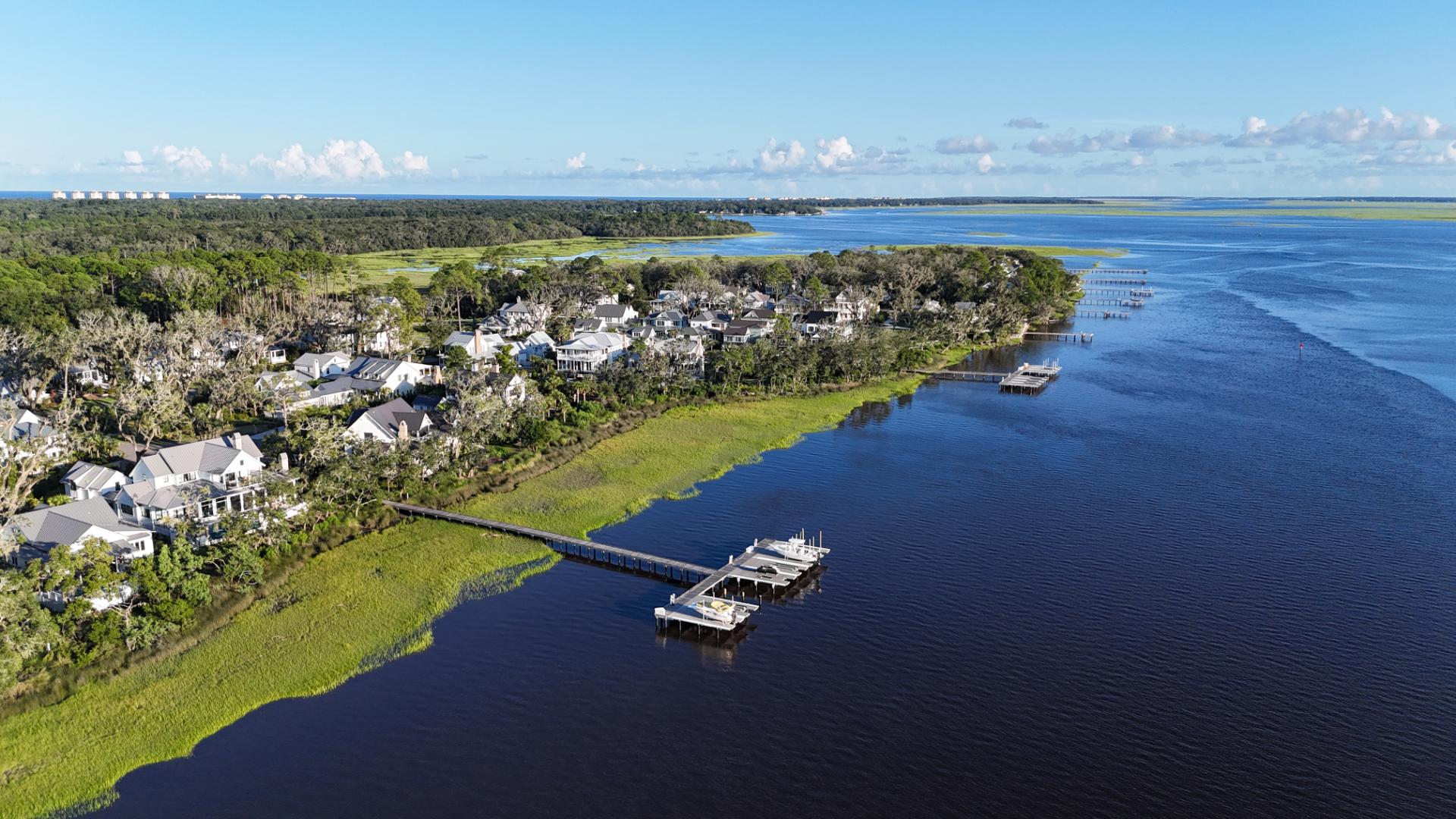
Crane Island is better understood separately rather than grouped into one direction.
Located just off the western edge of Amelia Island along the Intracoastal, Crane Island offers a more private, marsh-front setting that feels distinct from both historic Fernandina Beach and the resort-driven south end. The community is defined less by adjacency and more by its cohesive relationship to the water, the marsh, and a lower-density, more tucked-away form of luxury. That makes it a different answer for buyers who want privacy, natural surroundings, tight-knit community within community, and luxury coastal southern architecture.
American Beach: small in scale, enormous in significance
Any meaningful conversation about where to live on Amelia Island should also acknowledge American Beach.
Its significance is not merely geographic. It is historical and cultural, and that matters. For anyone considering this part of the island, it is worth understanding that it is not just another place near the ocean. It is a place with memory, meaning, and a story larger than its footprint. That kind of context matters anywhere, but especially here, where so much of the island’s identity is tied to the histories embedded in its neighborhoods.
Off-island options: Yulee and Wildlight
Not every buyer relocating to Amelia Island actually needs, or wants, to live on the island itself.
For many people, especially those prioritizing commute, newer homes, or a more modern development pattern, the mainland becomes part of the conversation quickly. Yulee has long served as the practical counterpart to island living: more suburban, more expandable, more directly tied to regional infrastructure.
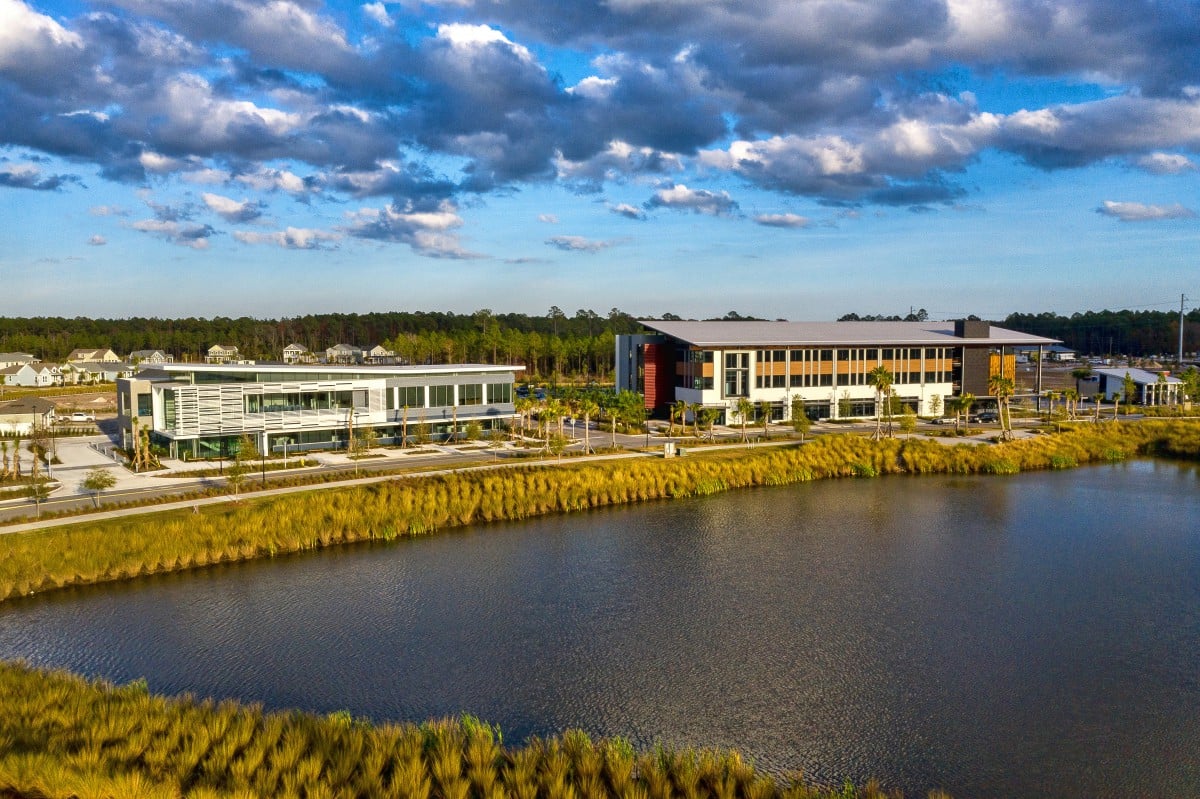
Wildlight is the most intentional version of that off-island alternative, designed around trails, parks, connected neighborhoods, and a live-work-play structure that offers a very different answer to the question of coastal living.
Wildlight’s appeal is straightforward. It gives buyers access to new construction, planned amenities, preserved open space, and easier proximity to I-95 and Jacksonville, while keeping Amelia Island within close reach for beaches, dining, and weekends that still feel coastal.
It is not trying to imitate historic Fernandina Beach, which is probably wise. It offers something else: modern convenience with a cleaner developmental logic.
For some buyers, that is not a compromise. It is the better fit.
How to think about the decision
The most useful way to choose where to live here is not to ask which neighborhood is best in some universal sense. It is to ask where your priorities naturally point.
If you want history, walkability, and architectural character, North Amelia likely makes the strongest case.
If you want year-round livability, schools, and a more grounded residential rhythm, Central Amelia often feels like the sweet spot.
If you want privacy, amenities, golf, and a more insulated luxury environment, South Amelia is usually where to look.
If you want newer construction, easier access, and more mainland practicality while staying close to the island, Yulee and Wildlight deserve serious consideration.
Final thoughts
Relocating to Amelia Island is not simply a move to the beach.
It is a choice between several distinct ways of living your dream island life; Historic and walkable. Quiet and residential. Marsh-front and private. Planned and connected. That range is part of what makes this place so special. It allows people to choose not just a house, but a cadence.
And in the end, that is usually what people are really searching for anyway.
Not just a property.
A life that feels a little more like theirs when they arrive. A life that they'd showcase on a postcard.
Check out this article next